
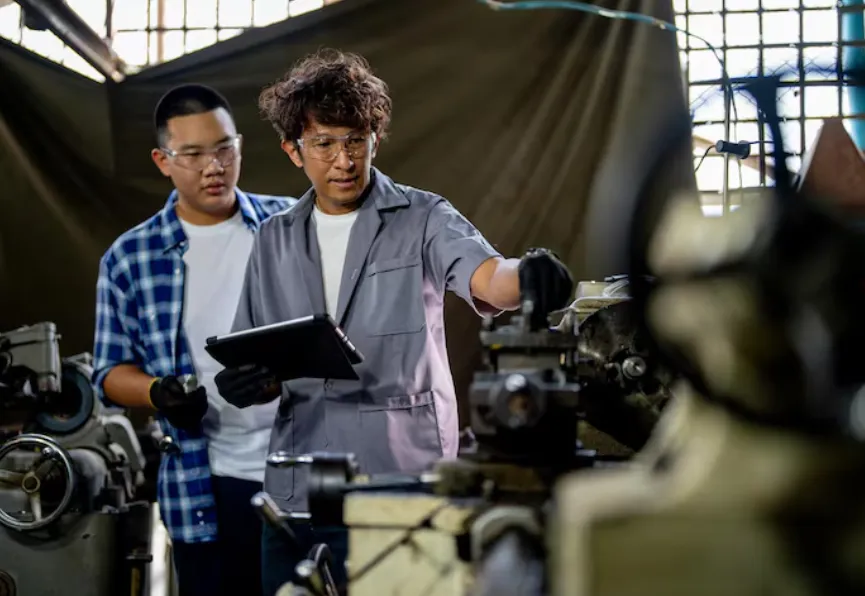
International media projects often require local knowledge that cannot be gained from a production schedule alone. A foreign crew may understand the creative direction perfectly but still need help with locations, permissions, suppliers, crew, transport, and communication. A capable production company in Korea can provide that local layer of support while allowing the international team to maintain control over its creative objectives. This arrangement can be especially useful for documentaries, branded projects, television segments, commercials, and other productions that need to work efficiently across unfamiliar locations.
Translating Plans Into Local Action
A production brief created overseas may contain detailed creative instructions, but those instructions still need to be converted into practical arrangements in Korea. Local producers can review the requirements and determine what needs to happen before the crew arrives. They may identify locations, contact local contributors, arrange equipment, and coordinate schedules based on the approved plan. This early work can reveal issues that are difficult to spot remotely. By addressing those details before filming, the international team arrives with a clearer understanding of how the production will operate.
Finding Suitable Korean Locations
Location research can be one of the most time-consuming parts of an international production. Local production teams understand the differences between attractive locations and locations that are actually practical for filming. They can consider access, permissions, public activity, transport, available facilities, noise, and the distance between different shooting areas. Their local contacts may also help uncover places that are not immediately obvious through online research. This can give the director more options while keeping the proposed locations realistic within the project’s schedule and production budget.
Coordinating Local Contributors
Many international media projects depend on people outside the core production crew. These may include interview subjects, specialists, business owners, translators, performers, local advisers, or community representatives. A Korean production partner can help contact and coordinate these contributors before filming. They can explain the production requirements, confirm availability, and help manage communication on the shoot day. This support becomes particularly valuable when contributors have limited experience with international productions and need clear information about schedules, locations, interview arrangements, or filming expectations.
Supporting Documentary Fieldwork
Documentary projects can change direction quickly because real situations rarely follow a fixed script. Local production support can help the visiting team respond without losing valuable filming opportunities. Experienced Documentary Video Services can assist with research, interview coordination, location access, translators, transport, and local production logistics while leaving editorial decisions with the documentary team. Having someone familiar with the environment can also make it easier to identify practical alternatives when access changes, contributors become unavailable, or unexpected events create new filming possibilities during production.
Handling Equipment and Crew Needs
International productions do not always need to transport every technical resource from their home country. A local production company can help arrange cameras, lenses, lighting, sound equipment, grip equipment, vehicles, and other requirements through local suppliers. It can also help recruit crew members according to the project’s technical needs. This approach may simplify travel and reduce the amount of equipment that needs to move between countries. Before filming, however, the production team should establish exact technical specifications so that local resources match the creative and operational requirements.
Managing Transport and Daily Logistics
Moving a crew between multiple locations requires more planning than simply arranging vehicles. Travel time, parking, loading areas, equipment movement, traffic conditions, meal breaks, and access windows can all influence the shooting schedule. A local producer can coordinate these details and adjust plans when circumstances change. Their familiarity with the area can also help the team build more realistic schedules. This is particularly important when international crews are working under tight deadlines, because unnecessary travel delays can quickly reduce the amount of time available for filming.
Bridging International and Local Teams
Different production teams may have different expectations about communication, hierarchy, scheduling, and on-set responsibilities. A local production company can help establish a common working process before filming begins. This may involve bilingual communication, detailed call sheets, production meetings, and clearly assigned responsibilities. The objective is not to change the visiting team’s workflow but to make cooperation easier. When everyone understands who is responsible for each task, decisions can be made faster, and small misunderstandings are less likely to become problems during a busy shooting day.
Conclusion
International media projects benefit from local support because many production challenges depend on knowledge of the filming environment rather than creative planning alone. Locations, contributors, permits, equipment, transport, crew, and communication all require attention before and during a Korean shoot. A reliable local partner can take responsibility for these practical areas while the visiting team concentrates on the project’s editorial and creative goals. Teams researching production company in Korea options can also visit posted-productions.com to better understand the type of local production support that may be useful for international media work.
